
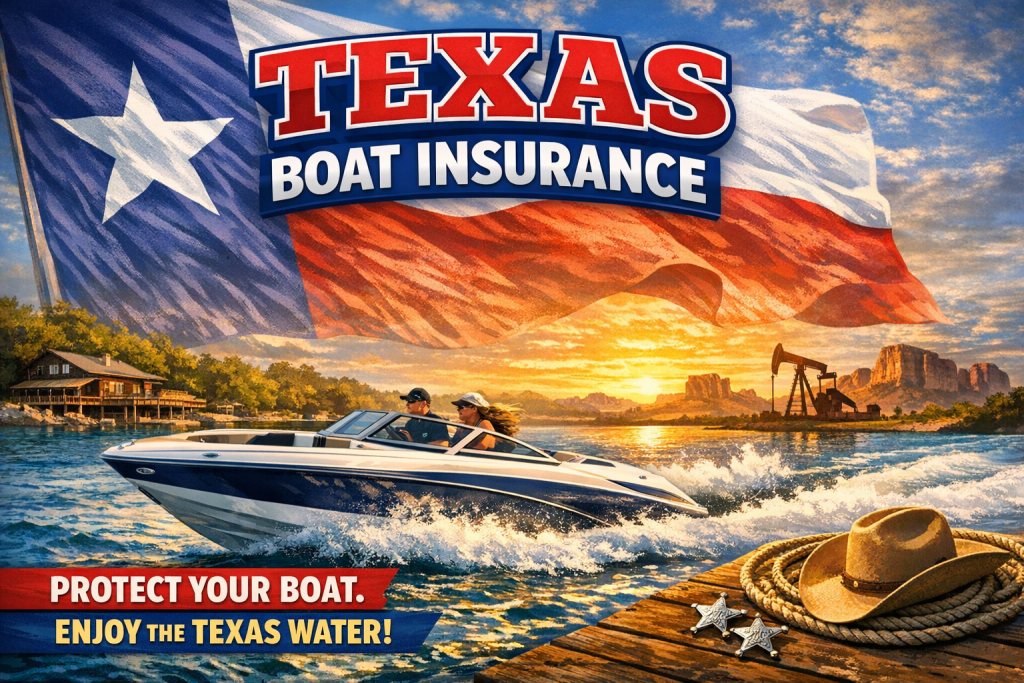
Texas is home to countless lakes, rivers, and coastlines that make boating a popular pastime. However, just like any other valuable possession, boats require protection. Boat insurance offers peace of mind by covering potential risks associated with boating. Understanding the specific needs for boat insurance in Texas is crucial for every boater. This essential guide will help navigate through the basics, types of coverage, and tips for finding the right insurance provider.
Understanding the Basics of Texas Boat Insurance Coverage
Boating in Texas comes with its own set of risks. Therefore, having boat insurance is essential for protecting your investment. Coverage typically includes liability for bodily injury and property damage. Liability coverage protects you if someone gets hurt while using your boat. Moreover, it also covers damages caused to others’ property.
Additionally, most policies offer physical damage coverage. This type of coverage addresses damage to your boat from accidents, theft, or vandalism. Some policies even extend to personal belongings on board. Many boaters enjoy peace of mind knowing they are protected from various types of incidents.
Furthermore, Texas law does not mandate boat insurance, but lenders often require it. If you financed your boat, your lender will likely insist on having insurance coverage. Understanding the minimum requirements set by your lender is crucial to avoiding any complications. In any case, having boat insurance is wise for any serious boater in Texas.
Key Factors Influencing Your Boat Insurance Premiums
Several factors influence the cost of boat insurance in Texas. One significant factor is the type of boat you own. For example, larger or faster boats may attract higher premiums. Consequently, the age and value of your boat will also affect the price of your insurance. Insurance companies assess the risk level associated with different types of boats.
Another critical factor is your boating history. For instance, if you have a clean record with no claims or accidents, your premiums may be lower. Conversely, a history of claims can lead to increased rates. Insurance providers often review your experience level as a boater, which can further influence the cost.
Geography plays a role in determining premiums as well. Boat owners who primarily operate in high-risk areas may see higher rates. For example, coastal regions may have different risks compared to inland lakes. Therefore, understanding these factors can help in choosing the right insurance coverage that fits your budget.
Types of Boat Insurance Policies Available in Texas
Texas offers various types of boat insurance policies tailored to different needs. One common option is liability coverage, which is essential for protecting against third-party claims. Many boaters find this coverage invaluable, as it safeguards them from financial losses due to accidents.
Another option is comprehensive coverage, which protects against non-collision incidents. This includes theft, vandalism, and natural disasters. Comprehensive policies often cover personal belongings as well, which can be a significant advantage for boaters.
Additionally, some boaters may opt for agreed value coverage instead of actual cash value coverage. With agreed value coverage, the insured amount is predetermined, offering more stability. It can be a wise choice for those with newer or high-value boats. Understanding these policy types allows boaters to choose coverage that best fits their needs.
Common Exclusions to Watch for in Boat Insurance
While boat insurance can provide extensive coverage, it often includes several exclusions. For instance, many policies do not cover wear and tear or regular maintenance. It is essential to understand that these routine issues will not be reimbursed. Therefore, checking the policy details ensures clarity on what is included.
Another common exclusion involves certain activities, such as racing or using the boat for commercial purposes. If you plan to engage in these activities, make sure to discuss them with your insurer. Failing to disclose such information may lead to denied claims.
Additionally, some policies may not cover damages incurred while operating under the influence of drugs or alcohol. This exclusion is especially important, as it can have significant legal implications. Being aware of these exclusions helps boaters avoid surprises when it comes time to file a claim.
Tips for Finding the Right Insurance Provider in Texas
Finding the right insurance provider in Texas can simplify the process of obtaining boat insurance. Start by gathering quotes from multiple insurers. Comparing the coverage options and premiums will help in making an informed decision. Additionally, consider reading customer reviews to gauge the reputation of each company.
Another valuable tip is to consult with an insurance agent specializing in marine insurance. These professionals can provide insights tailored to your specific needs. They can also clarify policy nuances that may not be immediately apparent. Having expert advice can save time and ensure comprehensive coverage.
Lastly, ask about any available discounts. Many insurance companies offer discounts for various reasons, such as bundling policies or completing safety courses. Taking advantage of these can lead to significant savings. Being proactive in researching and communicating with providers helps in finding the best insurance for your boating needs.
Conclusion
Boat insurance is not just a legal requirement; it is a vital form of protection for any Texas boater. Understanding the basics of coverage, factors influencing premiums, and the types of policies available is crucial. Additionally, being aware of common exclusions and tips for finding the right provider adds to the overall experience of boating in Texas. By taking the time to educate yourself, you can navigate your insurance needs more effectively.