
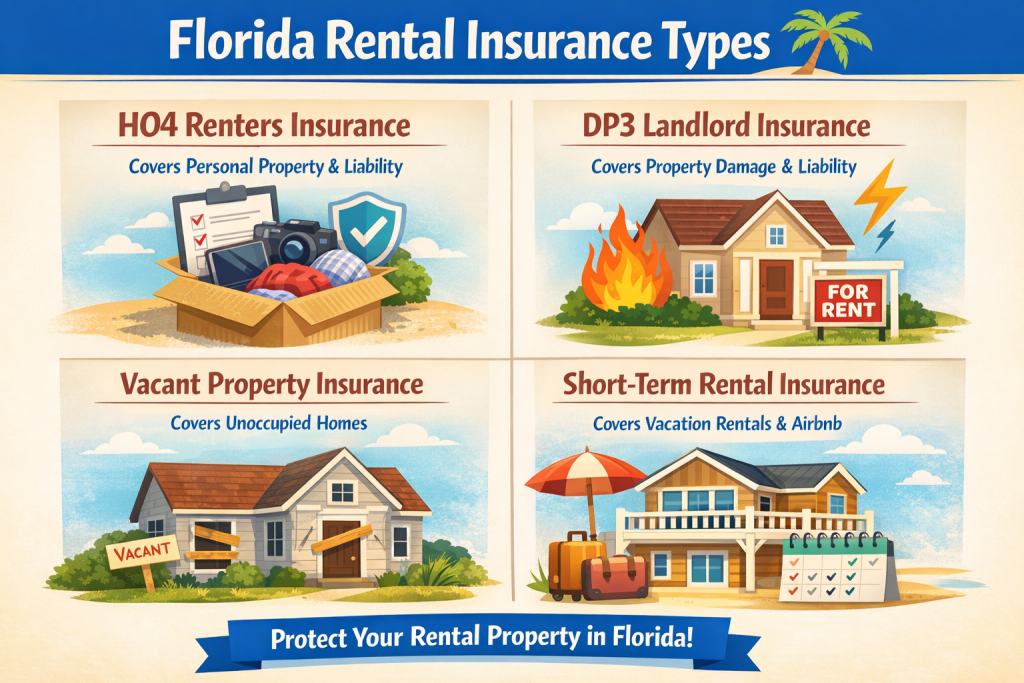
Understanding rental insurance is essential for both tenants and landlords in Florida. Many people often overlook this important aspect of renting. However, having the right coverage can provide peace of mind during unforeseen events. Different types of rental insurance exist to suit various needs. Therefore, knowing what each type offers is crucial for making informed choices.
Exploring Standard, Renters, and Landlord Insurance in Florida
Standard rental insurance primarily protects landlords. It covers the building structure and any permanent fixtures. For instance, if a fire damages the property, standard insurance helps cover repair costs. Furthermore, it may also provide liability coverage. This means that if a visitor gets injured on the property, the insurance can help cover legal expenses. Thus, landlords should consider standard rental insurance for adequate protection.
Renters insurance, on the other hand, is designed for tenants. This type of insurance protects personal belongings, such as furniture and electronics. In the event of theft or damage, renters' insurance can help replace lost items. Additionally, it often includes liability coverage for renters. Therefore, if a tenant accidentally causes damage, they may have financial protection. Consequently, renters' insurance is essential for anyone renting a home.
Landlord insurance combines elements from both standard and renters insurance. It offers coverage for the building while also addressing the needs of tenants. For example, it protects against property damage and loss of rental income. Moreover, it often includes liability coverage similar to standard insurance. This makes it a comprehensive option for property owners. Therefore, understanding landlord insurance can help investors protect their assets effectively.
Key Considerations for Choosing the Right Coverage Options
When selecting rental insurance, consider the type of property involved. For instance, single-family homes might require different coverage compared to multi-family units. Therefore, assessing the property type helps in determining the appropriate insurance. Additionally, the location of the property plays a significant role in coverage options. Areas prone to natural disasters may require specialized policies. Thus, reviewing all relevant factors ensures adequate protection.
Cost is another essential consideration when choosing rental insurance. Premiums can vary significantly based on coverage types and property locations. Therefore, it is crucial to compare different policies before making a decision. Many insurance providers offer quotes, which can help visualize costs. Additionally, consider any deductibles that may apply during a claim. This information can influence overall expenses when selecting coverage.
Finally, understanding the policy details is vital. Reading the fine print ensures awareness of exclusions and limitations. For instance, some policies may not cover specific types of damage, like flooding or mold. Therefore, asking questions about any uncertainties is essential. Furthermore, consulting with an insurance agent can provide valuable insights. Ultimately, thorough research leads to informed decisions when selecting rental insurance.
Conclusion
Choosing the right rental insurance in Florida is not a one-size-fits-all approach. Understanding the differences between standard, renters, and landlord insurance helps navigate choices. Each type of insurance serves a specific purpose and offers unique benefits. Therefore, evaluating personal needs and property types is essential. Cost, coverage details, and location all factor into the decision-making process.